2025 Country Update
National PV Policy
Israel continues to advance its photovoltaic (PV) sector as a central pillar of its energy transition strategy.
The government has set a national target of achieving 30% renewable electricity generation by 2030, with solar PV expected to contribute the vast majority of this capacity due to favourable climatic conditions and given Israel’s specific geographical and environmental conditions, which limit the deployment of other renewable energy technologies.
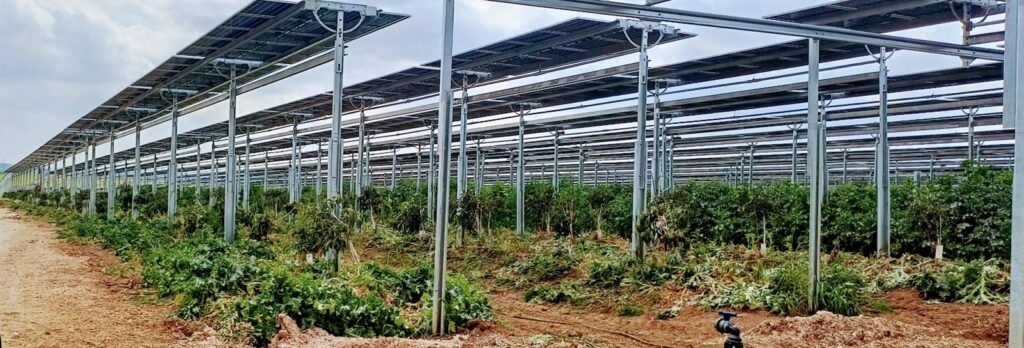
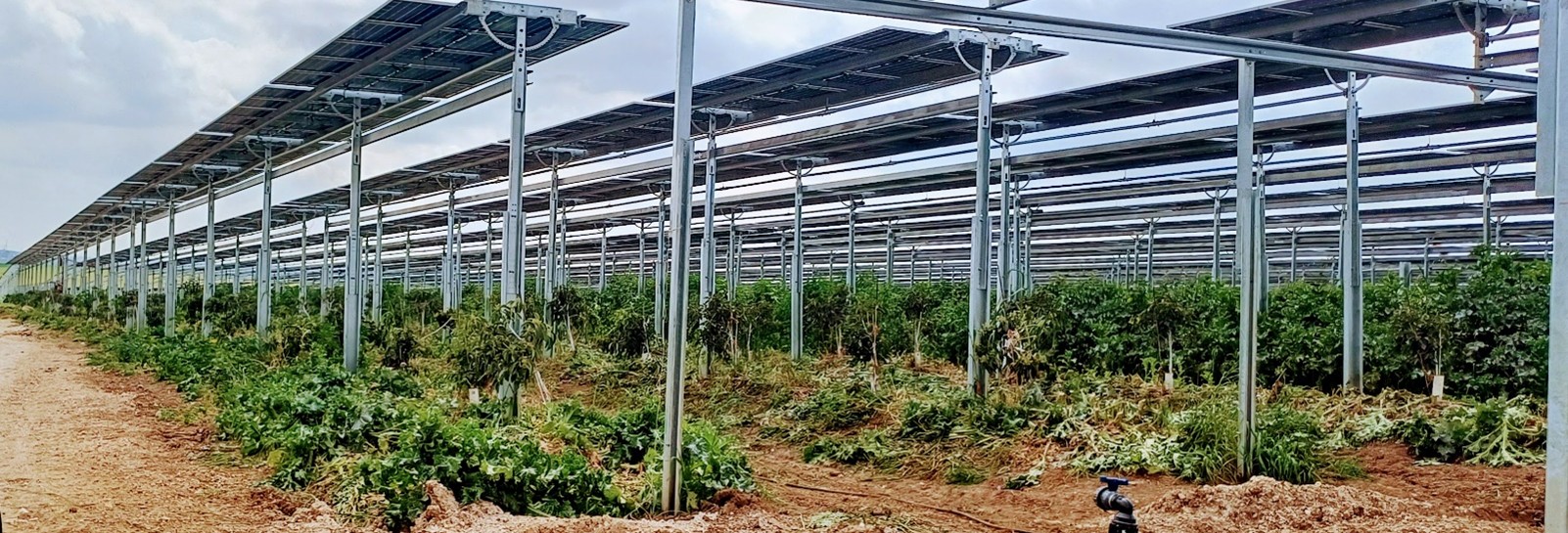
Policy efforts in recent years have focused on accelerating deployment while addressing system integration challenges. A key development is the transition towards a market-based model, gradually replacing administratively set tariffs with competitive market mechanisms. In parallel, planning regulations have been adapted to enable a broader range of PV applications, with a particular emphasis on agrivoltaics. At the distribution level, recent regulations require the installation of solar systems on new buildings, marking a significant step in expanding distributed generation, while dedicated incentive schemes continue to support the expansion of PV systems in the low-voltage segment, especially in residential, commercial, and public buildings.
In addition, Israel is emerging as a global frontrunner in the deployment and integration of energy storage. Recent regulatory and planning reforms have significantly accelerated the deployment of energy storage, including dedicated planning frameworks, updated tariffs for hybrid systems, and large-scale procurement processes. Storage has become a central component of PV policy and market design, with requirements for co-located storage in utility-scale projects and increasing adoption in distributed systems. This leadership is reflected in both the scale of planned and operational storage capacity and the integration of storage into market mechanisms, enabling enhanced grid flexibility, improved peak management, and higher penetration of solar energy.
Public perception of solar energy remains positive, and PV is widely regarded as a key solution for enhancing energy security, reducing emissions, and supporting system reliability and the transition to a more sustainable energy system.
Despite strong progress, several challenges remain, including land constraints, grid congestion, permitting complexity, and the need for advanced grid flexibility solutions. Future policy is therefore expected to focus on unlocking distributed potential, improving regulatory frameworks for flexibility, and enabling higher levels of digitalisation and system optimisation.
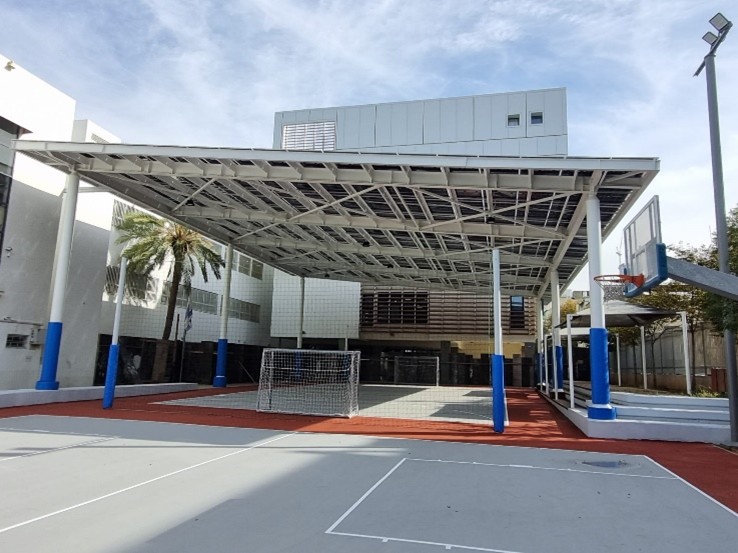
Photo credit: Orit Mandel
Research, Development and Demonstration
Research, development, and demonstration (RD&D) activities in Israel’s PV sector are driven by a dynamic innovation ecosystem that combines academic excellence, a strong start-up culture, and targeted government support.
Efforts are primarily focused on system-level challenges associated with high penetration of solar energy, including grid integration, energy storage, and digitalisation. In recent years, increasing attention has been given to hybrid PV and storage systems, advanced forecasting and optimisation tools, and the development of smart grid solutions that enable greater flexibility and resilience. In parallel, there is growing interest in innovative applications such as agrivoltaics and building-integrated PV, which aim to maximise land use efficiency and expand deployment in densely populated areas. Demonstration projects play a key role in testing these technologies under real-world conditions, particularly in scenarios of high PV penetration and constrained grid capacity. Overall, Israel’s RD&D landscape reflects a shift from purely technology-driven innovation towards integrated, system-oriented solutions that support the reliable and efficient expansion of solar energy.
Industry and Market Development
In recent years, Israel’s PV sector has experienced steady and significant growth, both in installed capacity and in its role within the national electricity system.
By the end of 2025, renewable energy accounted for approximately 16% of total electricity consumption, with solar PV representing the vast majority of this generation. While official data for 2025 has not yet been fully published, it is estimated that around 1 GW of new renewable capacity was added during the year, bringing total installed renewable capacity to approximately 8 GW, most of which is solar. This trend reflects Israel’s strong solar resource, supportive regulatory framework, and the limited availability of alternative renewable energy sources.
The market is characterised by a combination of utility-scale projects and a rapidly expanding distributed generation segment, including residential, commercial, and public rooftop installations. In addition, solar canopies are increasingly being deployed in urban environments, including parking areas and sports facilities, contributing both to renewable energy generation and improved land use efficiency. In recent years, there has been a clear shift towards integrating energy storage as a standard component of new PV installations, particularly in large-scale projects, in order to address grid constraints and enable higher penetration of solar energy. A major regulatory shift includes the transition to a market-based model, allowing generators to sell electricity directly to suppliers, including virtual suppliers, without regulated tariffs. At the same time, the sector is increasingly moving towards more advanced market structures, including the development of private power purchase agreements and the gradual transition to market-based mechanisms in higher voltage levels.
Despite the absence of a significant domestic manufacturing base for PV components, Israel benefits from a strong ecosystem of project developers, engineering companies, and innovative start-ups, particularly in the fields of digitalisation, smart grid technologies, and energy management. Current market trends include the expansion of dual-use applications with a focus on agrivoltaics, increased deployment in urban environments supported by targeted incentives, and the growing role of digital tools in system optimisation and grid management.
Looking ahead, Israel is currently in the process of defining its renewable energy targets for 2035, alongside the development of a comprehensive national strategic plan expected to be published in the coming weeks. The emerging strategy places strong emphasis on the systematic utilisation of dual-use applications, with agrivoltaics expected to become a central component of the renewable energy mix. At the same time, significant attention is given to the continued development of large-scale ground-mounted PV installations, alongside accelerated expansion of the electricity grid to accommodate increasing shares of renewable generation. These efforts are supported by a coordinated government approach aimed at ensuring effective planning, integration, and synchronisation across infrastructure, regulation, and market development.